A swimming pool should always offer comfort, whether it’s a hot summer afternoon or a cooler evening. However, maintaining the perfect pool temperature can be challenging because weather conditions constantly change. Too much heat can make the water uncomfortable, while colder temperatures may discourage people from using the pool altogether. This is where a pool heat cool pump becomes an essential piece of equipment for modern swimming pools.
A heat cool pump for swimming pool systems allows pool owners to control water temperature throughout the year. Instead of relying solely on seasonal weather, these systems provide both heating and cooling functions to keep the water at an ideal level. Whether you own a residential pool, hotel pool, or community swimming facility, installing the best pool heat cool pump ensures consistent comfort and better pool usability.
In this guide, we’ll explore how pool heat cool pumps work, their benefits, and the best practices for maintaining the perfect swimming pool temperature.
Understanding a Pool Heat Cool Pump
A heat cool pool pump is a specialized device designed to regulate the temperature of pool water. Unlike traditional heaters that only warm the water, these pumps can both heat and cool the pool depending on environmental conditions.
The system works by transferring heat between the surrounding air and the pool water. During colder weather, the pump extracts heat from the air and transfers it into the pool. During hotter conditions, the system reverses the process and removes heat from the water to cool it down.
This dual functionality makes the heat cool pump for swimming pool systems extremely versatile and energy efficient.
Why Pool Temperature Matters
The temperature of swimming pool water directly affects comfort, safety, and overall swimming experience.
For most recreational pools, the ideal temperature is between 26°C and 28°C (78°F – 82°F). If the water is too cold, swimmers may feel uncomfortable and avoid using the pool. On the other hand, water that is too warm can lead to fatigue and bacterial growth.
Installing the best pool heat cool pump ensures that the water stays within this comfortable range throughout the year.
Maintaining proper temperature also helps protect pool equipment, prevents excessive evaporation, and supports balanced water chemistry.
Benefits of Installing a Heat Cool Pool Pump
Year-Round Pool Comfort
One of the biggest advantages of a heat cool pool pump is the ability to enjoy the pool regardless of weather conditions. Whether it’s a cool winter morning or a hot summer day, the system keeps the water comfortable for swimming.
This is especially valuable for hotels, resorts, and luxury homes where pool usability is important throughout the year.
Energy Efficiency
Compared to conventional electric heaters, the heat cool pump for swimming pool systems are highly energy efficient. Instead of generating heat directly, they transfer existing heat from the air.
This process consumes significantly less electricity while maintaining consistent pool temperatures.
As a result, pool owners can enjoy lower energy costs while maintaining optimal water conditions.
Dual Heating and Cooling Function
Traditional pool heaters only warm the water, which may not be suitable in extremely hot climates. A heat cool pool heat pump solves this problem by providing both heating and cooling capabilities.
This dual function allows pool owners to adjust water temperature based on seasonal changes and personal preferences.
Environmentally Friendly Operation
Many modern pool heat cool pump systems use environmentally friendly refrigerants and energy-saving technology. Because they rely on heat transfer instead of direct energy generation, they produce fewer carbon emissions.
This makes them a sustainable solution for pool temperature management.
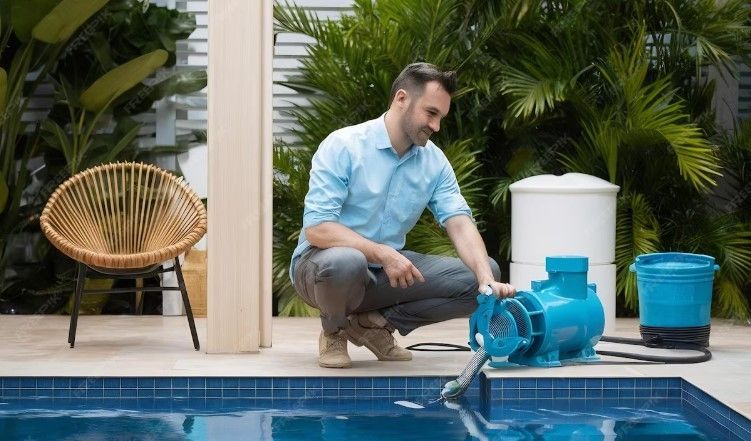
Features to Look for in the Best Pool Heat Cool Pump
Heating and Cooling Capacity
Different pumps are designed for different pool sizes. Larger pools require pumps with higher heating and cooling capacity.
Selecting the right capacity ensures efficient performance without overloading the system.
Energy Efficiency Rating
Look for models with high energy efficiency ratings. Efficient systems reduce electricity consumption and provide long-term cost savings.
Energy-efficient heat cool pump for swimming pool systems are especially beneficial for commercial pools that operate daily.
Durable Construction
Pool equipment is exposed to outdoor conditions such as heat, humidity, and rain. The best pool heat cool pump should have corrosion-resistant materials and weatherproof housing.
This ensures reliable performance and long service life.
Quiet Operation
Modern heat cool pool pump systems are designed to operate quietly. This is particularly important for residential pools where excessive noise can disturb the surrounding environment.
Smart Temperature Controls
Some advanced systems include digital controls and smart temperature monitoring. These features allow users to set the desired pool temperature easily and maintain it automatically.
Ideal Temperature Settings for Different Pool Uses
Residential swimming pools:
Typically maintained between 26°C and 28°C for comfortable recreational use.
Therapy pools:
Often maintained between 30°C and 32°C to support muscle relaxation and therapeutic benefits.
Competitive swimming pools:
Usually maintained around 25°C to 27°C to support athletic performance.
A reliable heat cool pump for swimming pool allows easy adjustment of temperature based on these requirements.
Maintenance Tips for Pool Heat Cool Pumps
Keep the Air Intake Clear
The pump relies on airflow to transfer heat. Ensure that the surrounding area remains free from debris, leaves, and dust that may block airflow.
Clean the Heat Exchanger
Over time, mineral deposits or dirt may accumulate inside the heat exchanger. Cleaning it periodically improves efficiency and prevents system strain.
Inspect Electrical Connections
Regular inspection of wiring and electrical components ensures safe operation. Loose connections can affect performance and increase energy consumption.
Schedule Professional Servicing
Professional technicians should inspect the heat cool pool heat pump periodically to ensure all components function properly.
Routine servicing can identify small issues before they develop into costly repairs.
Why Professional Installation Is Important
Installing a pool heat cool pump requires technical expertise. The system must be correctly sized, properly connected to the pool circulation system, and installed in a well-ventilated location.
Professional installation ensures:
- Proper integration with the pool filtration system
- Safe electrical connections
- Optimal heating and cooling efficiency
- Long-term equipment reliability
How a Heat Cool Pump Enhances Pool Value
Installing the best pool heat cool pump not only improves swimming comfort but also increases the overall value of the property.
Pools with temperature control systems are more attractive to homeowners, tenants, and hotel guests because they offer a consistent swimming experience throughout the year.
For commercial properties such as resorts and gyms, maintaining perfect water temperature can also improve customer satisfaction and business reputation.
Final Thoughts
Maintaining the perfect swimming pool temperature is essential for comfort, safety, and year-round usability. A pool heat cool pump provides a modern solution by offering both heating and cooling capabilities in a single energy-efficient system.
By selecting the best pool heat cool pump, pool owners can enjoy consistent water temperatures regardless of weather conditions. These systems not only improve the swimming experience but also reduce energy consumption and support environmentally friendly pool management and efficient swimming pool maintenance.
When combined with professional installation and proper care, a heat cool pump for swimming pool systems ensures long-lasting performance and reliable comfort.
Whether you own a private pool or manage a commercial swimming facility, investing in a high-quality heat cool pool pump can transform your pool into a comfortable and enjoyable space throughout the year.
Frequently Asked QuestionsA pool heat cool pump is a system that regulates swimming pool water temperature by heating or cooling the water depending on environmental conditions.
A heat cool pump for swimming pool works by transferring heat between the surrounding air and the pool water, allowing it to either warm or cool the pool as needed.
Most swimming pools are maintained between 26°C and 28°C, which provides a comfortable temperature for recreational swimming.
Yes. A heat cool pool heat pump uses heat transfer technology instead of direct heating, making it significantly more energy efficient than traditional pool heaters.
With proper maintenance and professional servicing, the best pool heat cool pump can last 10 to 15 years or longer.
Yes. Modern heat cool pump for swimming pool systems are designed to operate efficiently in a wide range of climates, making them suitable for both hot and cooler regions.