A swimming pool is a valuable addition to any property, offering relaxation, recreation, and aesthetic appeal. However, behind every clean and functional pool is a system of equipment working continuously to maintain water quality and circulation. Over time, these components wear out, lose efficiency, or become outdated.
Recognizing when your pool equipment needs replacement or an upgrade is essential to avoid costly repairs and ensure optimal performance. In this guide, we’ll explore the key warning signs that indicate it’s time to upgrade your pool equipment and how doing so can improve efficiency, safety, and long-term savings.
Why Pool Equipment Upgrades Matter
Pool systems include pumps, filters, heaters, chlorinators, and control systems. These components are designed to work together to maintain water clarity and hygiene.
As equipment ages, it may:
- Consume more energy
- Deliver reduced performance
- Require frequent repairs
- Fail unexpectedly
Upgrading outdated components not only improves efficiency but also enhances the overall swimming experience.
Reduced Water Circulation
Proper water circulation is essential for keeping your pool clean and balanced. If you notice weak water flow or uneven circulation, it may indicate that your pump or filter is no longer functioning efficiently.
Common Signs:
- Water not moving properly through return jets
- Debris accumulating in certain areas
- Increased cleaning frequency
Poor circulation can lead to algae growth and water imbalance, signaling the need for equipment inspection or replacement.
Frequent Breakdowns and Repairs
If your pool equipment requires constant repairs, it may be more cost-effective to replace it rather than continue fixing it.
Warning Indicators:
- Repeated pump or filter issues
- Frequent service calls
- Rising maintenance costs
Investing in new equipment reduces downtime and ensures reliable performance.
Increased Energy Bills
Older pool equipment tends to be less energy-efficient. If you notice a sudden increase in your electricity bills, your pool system could be the cause.
Possible Reasons:
- Inefficient pumps running longer hours
- Outdated heating systems
- Poorly functioning filters
Modern equipment is designed to consume less energy while delivering better results, making upgrades a smart financial decision.
Noisy Equipment Operation
Pool equipment should operate relatively quietly. Unusual noises such as grinding, rattling, or humming can indicate internal wear or damage.
Common Causes:
- Worn-out motor bearings
- Loose components
- Blockages in the system
Ignoring these sounds can lead to complete equipment failure, so it’s important to address them promptly.
Poor Water Quality
If your pool water appears cloudy, discolored, or has an unpleasant odor despite regular cleaning, your equipment may not be functioning properly.
Signs of Poor Water Quality:
- Persistent algae growth
- Difficulty maintaining chemical balance
- Murky or dull water
This often points to issues with filtration or circulation systems, which may require replacement.
Outdated Technology
Pool technology has advanced significantly in recent years. Older systems may lack the efficiency and convenience offered by modern solutions.
Benefits of Upgrading:
- Automated controls
- Energy-efficient operation
- Improved filtration systems
- Smart monitoring features
Upgrading outdated equipment can enhance both performance and user convenience.
Leaks and Visible Damage
Visible signs of wear, such as cracks, leaks, or corrosion, are clear indicators that equipment needs attention.
Areas to Inspect:
- Pump housing
- Pipes and connections
- Filter tanks
Leaks not only waste water but can also damage surrounding areas, making timely replacement essential.
Inconsistent Heating Performance
If your pool heater struggles to maintain a consistent temperature, it may be time for an upgrade.
Warning Signs:
- Water taking longer to heat
- Fluctuating temperatures
- Heater shutting off unexpectedly
Modern heating systems are more efficient and reliable, providing consistent comfort.
Aging Pool Equipment
Most pool equipment has a limited lifespan:
- Pumps: 8–12 years
- Filters: 10–15 years
- Heaters: 7–10 years
If your equipment is approaching or exceeding these limits, it’s wise to consider replacement before failures occur.
Difficulty Finding Replacement Parts
As equipment becomes outdated, finding replacement parts can become challenging and expensive.
If you’re struggling to source parts for repairs, upgrading to newer models ensures easier maintenance and better support.
When to Consider Full System Upgrades
In some cases, replacing individual components may not be enough. A complete system upgrade may be necessary for optimal performance.
Situations That Require Full Upgrades:
- Multiple components failing simultaneously
- Significant increase in maintenance costs
- Desire for energy-efficient solutions
A comprehensive approach ensures that all components work seamlessly together.
Benefits of Equipment Replacement and Upgrades
Improved Efficiency
Modern systems use less energy while delivering better performance.
Cost Savings
Reduced energy consumption and fewer repairs lower overall costs.
Enhanced Water Quality
Advanced filtration and circulation systems keep water cleaner and safer.
Increased Lifespan
New equipment reduces strain on the system, extending its longevity.
Better User Experience
Quieter operation and automated controls improve convenience.
Role of Professional Services
Professional inspection and maintenance are crucial for identifying when equipment needs replacement.
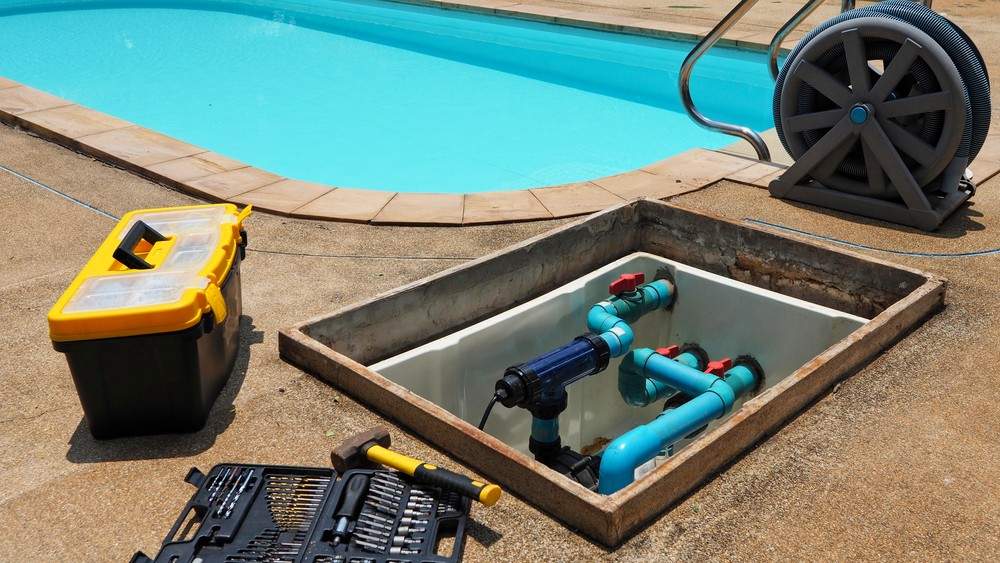
Services such as Swimming pool Equipment refurbishment can help restore functionality and extend the life of existing components when possible.
For more extensive upgrades, swimming pool refurbishment projects can modernize the entire system, improving efficiency and aesthetics.
Preventive Maintenance Tips
To avoid premature equipment failure, follow these preventive measures:
- Clean filters regularly
- Monitor water chemistry
- Inspect equipment for wear and tear
- Schedule routine professional servicing
Preventive care helps maximize the lifespan of your pool system and reduces the need for frequent replacements.
Choosing the Right Replacement Equipment
When upgrading your pool equipment, consider the following factors:
Compatibility
Ensure new components are compatible with your existing system.
Energy Efficiency
Look for energy-saving models to reduce operating costs.
Quality and Durability
Invest in reliable brands known for long-lasting performance.
Professional Installation
Proper installation is essential for optimal functionality.
Working with experienced professionals ensures that you select the right equipment and achieve the best results.
Final Thoughts
Pool equipment plays a vital role in maintaining water quality, safety, and overall performance. Over time, wear and tear can reduce efficiency and lead to costly repairs if not addressed. By recognizing warning signs—such as poor circulation, increased energy bills, frequent breakdowns, and outdated technology—you can take timely action to repair, replace, or upgrade your equipment. Working with a reliable pool company in Dubai ensures that issues are identified early and handled professionally. Investing in modern, energy-efficient systems not only improves performance but also enhances your overall pool experience while reducing long-term costs. Whether it’s a minor upgrade or a complete system overhaul, staying proactive helps keep your pool a dependable and enjoyable feature of your property for years to come.
Frequently Asked QuestionsIt depends on the component, but most equipment lasts between 7 to 15 years.
Yes, but ensure compatibility with existing components.
Reduced water flow, unusual noises, and increased energy usage are common signs.
While initial costs may be higher, long-term savings make it a worthwhile investment.
Yes, refurbishment can restore performance and delay the need for replacement.
Yes, professional installation ensures safety and optimal performance.
Improved efficiency, better water quality, and reduced maintenance costs.