A swimming pool is a valuable feature for any property, whether it is part of a residential villa, a hotel, or a commercial recreation facility. However, like any mechanical system, a pool relies on multiple components working together to maintain clean, safe, and comfortable water conditions. Over time, these components naturally wear out due to constant use, exposure to chemicals, and environmental factors. Instead of replacing the entire system, many pool owners now choose swimming pool equipment refurbishment as a practical and cost-effective solution.
Refurbishment focuses on restoring existing pool systems, repairing worn components, and improving efficiency without the expense of complete replacement. With the right refurbishment plan, pool owners can extend the lifespan of their pool systems while maintaining optimal performance. In this guide, we will explore how swimming pool refurbishment works, the equipment involved, and why it is an important part of long-term pool maintenance.
Understanding Swimming Pool Equipment Refurbishment
Swimming pool equipment refurbishment refers to the process of repairing, upgrading, or restoring essential pool components to improve performance and extend their operational life. Instead of discarding old equipment, refurbishment restores its functionality through cleaning, replacement of worn parts, and technical adjustments.
Pool systems consist of several interconnected components, including pumps, filters, heaters, chlorinators, valves, and circulation systems. When one part begins to deteriorate, it can affect the overall efficiency of the pool.
Through proper swimming pool refurbishment, technicians carefully inspect these systems, identify faults, and restore them to working condition.
Why Pool Equipment Wears Out Over Time
Swimming pool equipment operates continuously to maintain water circulation, filtration, and sanitation. This constant operation naturally leads to wear and tear.
Several factors contribute to equipment deterioration:
- Continuous exposure to pool chemicals
- High humidity and outdoor weather conditions
- Mineral buildup from water sources
- Mechanical stress on pumps and motors
- Lack of regular servicing
Without timely refurbishment, these issues can lead to equipment failure, higher energy consumption, and expensive repairs.
Key Components That Benefit from Refurbishment
Pool Pumps
The pump is often considered the heart of the swimming pool system. It circulates water through the filtration system and helps maintain water clarity.
Over time, pump motors may become less efficient due to wear or debris accumulation. During swimming pool equipment refurbishment, technicians clean pump components, replace worn seals, and repair motor parts to restore optimal performance.
Filtration Systems
Filters remove dirt, debris, and microscopic contaminants from pool water. Sand filters, cartridge filters, and diatomaceous earth filters all require regular inspection.
Refurbishment may involve replacing filter media, cleaning internal components, or repairing damaged valves. A properly refurbished filtration system ensures clear and hygienic pool water.
Pool Heaters
Pool heaters regulate water temperature, making swimming comfortable during cooler seasons. Over time, heating elements may accumulate mineral deposits or develop mechanical issues.
Refurbishment includes cleaning heating elements, repairing internal components, and ensuring the heater operates efficiently.
Chlorination Systems
Chlorinators and saltwater generators play a critical role in maintaining water sanitation. These systems may lose efficiency due to calcium buildup or electrical faults.
Refurbishing chlorination systems helps restore proper chemical balance and improves overall pool hygiene.
Pool Plumbing and Valves
Pipes, valves, and connectors direct water flow through the pool system. Over time, leaks or blockages may develop.
During swimming pool refurbishment, technicians inspect plumbing lines, repair leaks, and ensure proper water circulation.
Signs That Your Pool Equipment Needs Refurbishment
Recognizing early warning signs can help pool owners avoid expensive replacements.
Some common indicators include:
- Reduced water circulation or weak pump performance
- Cloudy or dirty pool water despite regular cleaning
- Unusual noises from pumps or filtration systems
- Increasing electricity bills due to inefficient equipment
- Frequent breakdowns or repair needs
When these issues appear, it may be time to consider professional swimming pool equipment refurbishment.
Advantages of Pool Equipment Refurbishment
Cost Savings
Replacing entire pool systems can be expensive. Refurbishing equipment allows property owners to restore functionality at a much lower cost.
In many cases, refurbishment can extend equipment lifespan by several years.
Improved Energy Efficiency
Older equipment may consume more electricity due to worn components. Refurbishment helps restore efficiency, reducing energy consumption and lowering operational costs.
Extended Equipment Lifespan
Proper swimming pool refurbishment allows pumps, filters, and heaters to function effectively for longer periods.
This reduces the frequency of major replacements and ensures long-term reliability.
Sustainable Maintenance Approach
Refurbishing equipment is also environmentally responsible. Instead of discarding machinery, refurbishment restores existing systems and reduces waste.
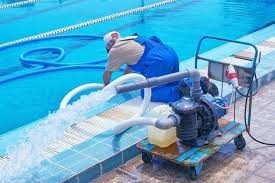
The Swimming Pool Refurbishment Process
Inspection and Assessment
Technicians begin by conducting a detailed inspection of the entire pool system. This includes evaluating pumps, filters, heaters, plumbing lines, and control panels.
The inspection helps identify components that require repair, cleaning, or replacement.
Cleaning and Component Restoration
Once the problem areas are identified, technicians clean internal components, remove mineral buildup, and restore mechanical parts.
This step improves equipment efficiency and removes contaminants that affect performance.
Replacement of Worn Parts
Certain parts such as seals, bearings, filter media, or electrical components may need replacement. Installing new parts ensures that the refurbished system operates smoothly.
Performance Testing
After repairs are completed, the system is tested to verify that all equipment functions correctly. Water circulation, filtration, and heating systems are evaluated to confirm proper operation.
When to Consider Complete Swimming Pool Refurbishment
In some situations, refurbishment may involve more than equipment repair. Full swimming pool refurbishment may include restoring pool surfaces, updating lighting systems, or upgrading outdated mechanical components.
This type of refurbishment is common for older pools that require modernization or structural improvements.
Updating the pool during refurbishment can enhance aesthetics, improve safety, and increase property value.
Preventive Maintenance to Reduce Refurbishment Needs
- Cleaning filters and skimmer baskets regularly
- Monitoring water chemical balance
- Checking pump performance and water circulation
- Inspecting plumbing connections for leaks
- Scheduling professional servicing annually
Consistent maintenance keeps equipment operating efficiently and reduces the need for extensive repairs.
Why Professional Refurbishment Services Matter
Swimming pool systems involve complex mechanical and electrical components. Attempting repairs without professional knowledge can lead to further damage.
Professional technicians have the tools and expertise required for safe and effective swimming pool equipment refurbishment. They can accurately diagnose problems and implement long-lasting solutions.
Companies like Redeck Pools specialize in pool maintenance, repair, and refurbishment services. Their experience ensures that pool systems are restored efficiently and safely.
Final Thoughts
Swimming pools rely on a network of mechanical systems that work continuously to maintain water quality and comfort. Over time, these systems naturally experience wear and reduced efficiency.
Instead of replacing expensive equipment, Swimming Pool Refurbishment Services offer a practical way to restore performance and extend the life of pool systems. Through professional inspection, cleaning, repairs, and component upgrades, refurbishment improves energy efficiency, reduces operational costs, and keeps pools functioning at their best.
For property owners who want to maintain their pools without major replacement expenses, investing in swimming pool refurbishment is a smart and sustainable solution.
Frequently Asked QuestionsSwimming pool equipment refurbishment involves repairing, cleaning, and upgrading pool components such as pumps, filters, heaters, and plumbing systems to restore their performance.
Pool equipment typically benefits from refurbishment every 5 to 10 years, depending on usage, maintenance practices, and environmental conditions.
Yes. Refurbishment is usually much more cost-effective than replacing entire systems, especially when the equipment is structurally sound.
Refurbishment may include pumps, filtration systems, heaters, chlorinators, plumbing lines, valves, and electrical components.
Yes. Restoring worn components allows equipment to operate more efficiently, which can reduce electricity consumption and operating costs.
Complete swimming pool refurbishment may be necessary when the pool structure, surfaces, or multiple equipment systems require significant upgrades or repairs.